 Most of us work hard to save and plan for our retirement. But there are people who work just as hard to take it away from us. Who are they? Phone scammers.
While I was working from home the other day, my phone rang three times. A robotic voice told me that I was in debt to the IRS and needed to pay immediately or I would go to jail. I knew it was a scam because the IRS will NOT contact me by phone; but, I wondered, if I were home alone and did not know these types of scams exist, would I be frightened enough to send money?
We must educate ourselves about the ways of scammers to protect ourselves and those we love. Phone scammers use several scams, such as the Grandparent Scam, the Computer Software Scam, and the very popular, “You’ve just won!” To handle these scam calls, do not pick up the phone. Let your answering machine take a message and then delete it. If you pick up, never send money. Instead, pause before doing anything. Then, call a loved one to get their opinion, check with your bank, or phone the IRS directly to check on your status. Unfortunately, many older Americans send money right away when this happens to them.
Also, please be aware that Medicare has begun to mail out new Medicare cards that no longer show your Social Security number. This is good news! It helps protect you. However, senior citizens may not know this. The bad news is that scammers are pretending to be from Medicare to get their private information.
World Elder Abuse Awareness Day, on June 15, aims to promote a better understanding of this type of abuse and neglect of older persons by raising awareness. Financial elder abuse can take many forms, from IRS and Lottery scams to theft of money by trusted people. However, financial is only one form of elder abuse happening daily. Other types include physical, emotional, and sexual abuse, as well as neglect.
The National Center on Elder Abuse (NCEA) is a resource center at the Keck School of Medicine at the University of Southern California. They provide resources to educate people about all types of elder abuse, including information and resources to help detect, intervene, and prevent abuse. Two fact sheets, Scammed? Now what… and The Grandparent Scam, provide scam information. Training resources on elder abuse are also available. Visit NCEA’s website to learn more about protecting yourself, your loved ones, and your community from elder abuse.
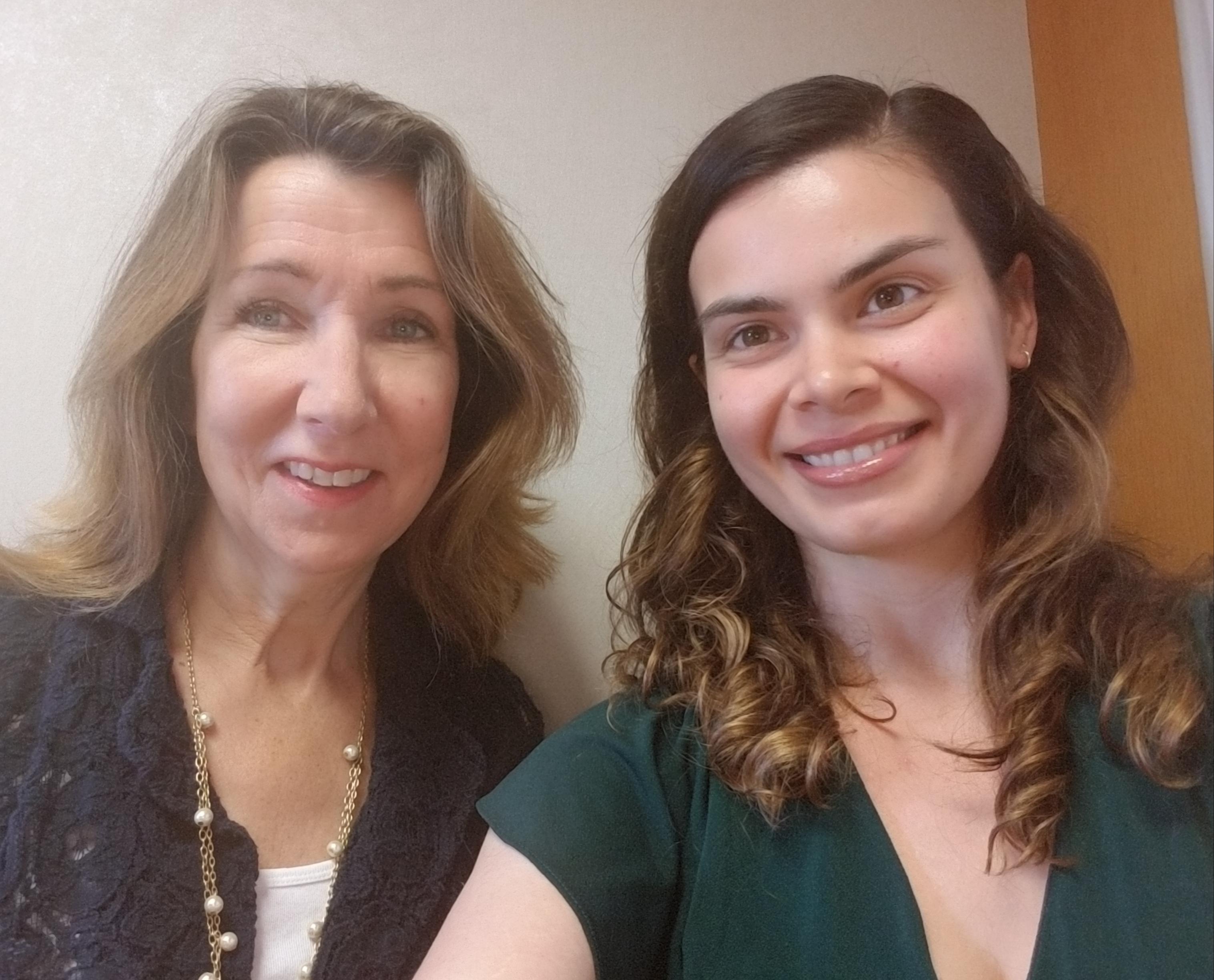 Julie Schoen JD, brings her passion for all aspects of aging issues to her role as Deputy Director of the NCEA. She is an attorney with a strong background in Medicare advocacy who is now having impact in the area of elder abuse.
Eden Ruiz-Lopez leads grant management, and engages in education and outreach activities at the NCEA, among many other activities. Her background includes a wide range of advocacy, case management and service coordination for older people and people with disabilities.
https://blog.ssa.gov/youve-worked-hard-for-the-money-now-protect-it/
No comments:
Post a Comment