Rachel Garfield Follow @RachelLGarfield on Twitter , Matthew Rae Follow @matthew_t_rae on Twitter , and Robin Rudowitz Follow @RRudowitz on Twitter Published: May 21, 2021
President Biden proposed lowering the age of
Medicare eligibility to 60 during the presidential campaign and reiterated his
support recently, with the goal of broadening coverage and making health
coverage affordable for older adults. Proposals to lower the age of
Medicare, either to 60 or a younger age, may be considered by Congress. One
KFF analysis shows
that lowering the age of Medicare eligibility to 60 could reduce costs for
employer health plans by as much as 15 percent if all eligible employees
shifted from employer plans to Medicare. In addition, another KFF analysis shows
that 60- to 64-year-olds who move from employer plans to Medicare could be
covered more cheaply because Medicare payments to hospitals, physicians and
other health care providers are generally lower than what private insurance
pays.
This data note looks at who might be affected
by such policies and the implications for health coverage. Most people affected
by a policy change to lower the age of Medicare already have private coverage,
making the cost and affordability implications paramount. A relatively small
share of people in this age range are currently uninsured, so the policy is
likely to have a modest effect on increasing the number of people with health
coverage.
Two-thirds of adults age 60-64
have private coverage, either through an employer (56%) or though the non-group
market, including those in the Affordable Care Act (ACA) marketplace (11%)
(Figure 1). The policy to lower
the age of Medicare eligibility could potentially shift 11.7 million people
with employer coverage and 2.4 million with non-group coverage into Medicare.
It is not clear how the policy would affect the 14.5% (3 million) who have
Medicaid coverage, including the 4% within this group (just under 1 million)
that are dually eligible for Medicare and Medicaid coverage (those who qualify
on the basis of disability for both programs). About 8% of people age
60-64, or 1.6 million people, are uninsured and could newly gain Medicare
coverage under this policy.
Among uninsured adults age
60-64, most (66%) are eligible for financial assistance for coverage through
the ACA marketplace or Medicaid (Figure 1). Nearly half (48%) are eligible for marketplace premium
help, including those eligible under temporary ARPA subsidies, and 18% are
Medicaid-eligible. About 15% are estimated to have access to private coverage
offered by an employer, which they may view as unaffordable. The
remainder are in the coverage gap because they live in a state that has not
expanded Medicaid (10%), are unauthorized immigrants (7%), or otherwise
ineligible (2%).
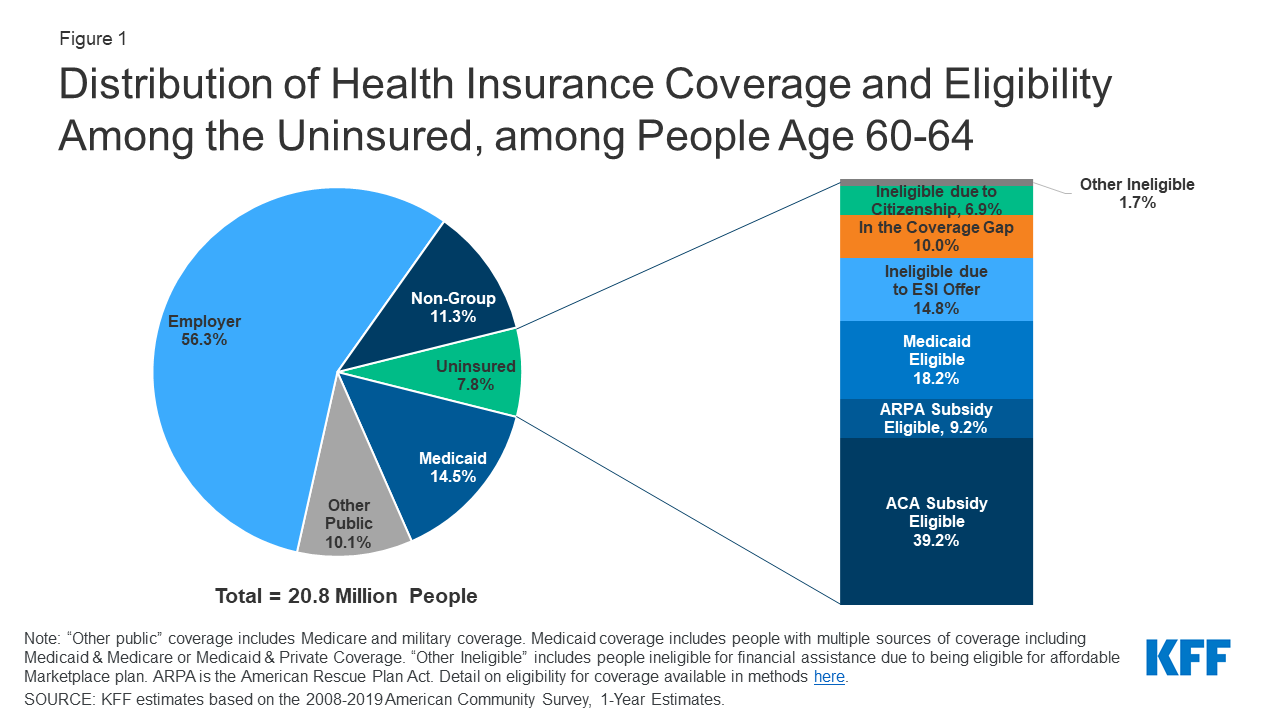
Figure 1: Distribution of Health Insurance
Coverage and Eligibility Among the Uninsured, among People Age 60-64
While a policy to lower the age of Medicare
may have a small effect on covering the nearly 30 million uninsured
people in the United States, it could improve access or affordability for
millions. Policies to lower the age beyond 60—for example, to age 55 or
even 50— could extend coverage to a larger number of uninsured adults (Table
1). Further, as other analysis shows,
lowering the age of Medicare eligibility could shift the cost of coverage
largely from employers to the federal government and lower the cost of coverage
for this population while increasing federal spending. The ultimate effect on
coverage, access, and affordability will depend on what type of premium and
cost sharing assistance it provides to newly-eligible adults, as well as other
structural factors.
|
Table 1: Health Insurance Coverage among Nonelderly Adults by
Age, 2019 |
||||||
|
Coverage Distribution (%) |
||||||
|
Number of People in Age Group (millions) |
Employer |
Non-Group |
Medicaid |
Other Public |
Uninsured |
|
|
18-49 Years |
132.6 |
61.0% |
7% |
15.3% |
2.1% |
14.6% |
|
50-54 Years |
20.2 |
64.8% |
7.8% |
12.8% |
4.0% |
10.6% |
|
55-59 Years |
21.3 |
62.3% |
8.7% |
13.9% |
6.0% |
9.2% |
|
60-64 Years |
20.8 |
56.3% |
11.3% |
14.5% |
10.1% |
7.8% |
|
NOTE: Other
public includes Medicare and military coverage. Medicaid includes people with
multiple sources of coverage including Medicaid. For additional detail on
coverage definitions, see sources and data notes here. |
||||||
No comments:
Post a Comment